
Interviews
Prof. Maria Christakis: How a Stellar Academic Career Drives Impact in Trustworthy Software Engineering
Thaleia-Dimitra Doudali
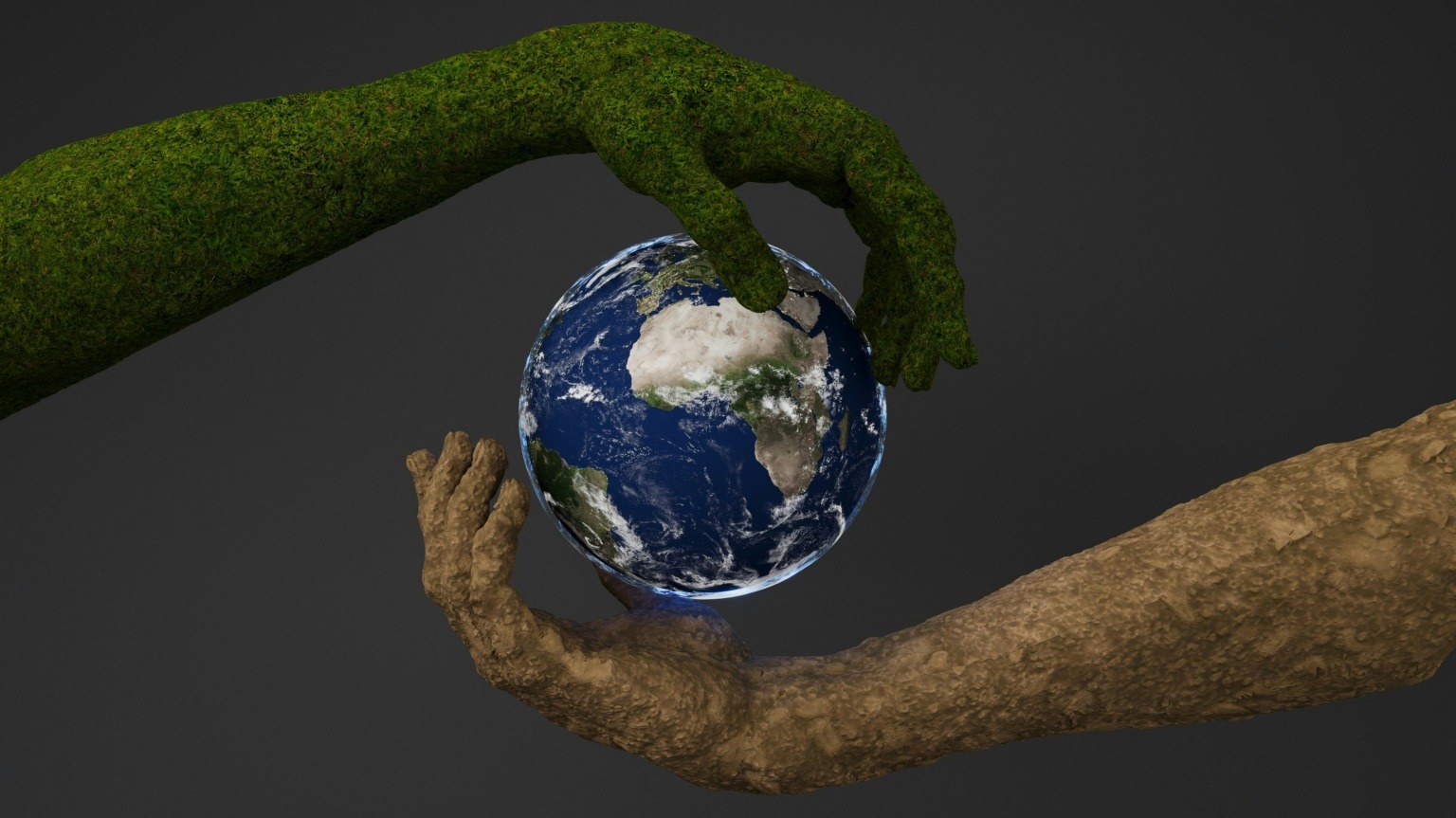
Every year, April 22 is a day devoted to our planet, representing a powerful reminder to move beyond awareness and take meaningful action. The 2026 theme, “Our Power, Our Planet”, highlights the urgent need for people and communities to take environmental action directly linked to human health and economic stability1.
Before exploring what we can do as individuals, let’s go over the most pressing environmental challenges we face today, as well as the efforts being made by global leaders to address them. While progress has been achieved, more significant changes are still required to prevent the most severe consequences for our planet.
Plastic pollution remains one of the most persistent environmental problems. The plastics we use and discard daily do not simply disappear, and unfortunately, many types are still not recyclable. Over time, they break down into microplastics that are now found everywhere, even in our blood, posing a serious threat to both human health and ecosystems. The primary actions to tackle this problem come from changes in plastic production and the transition to a circular economy2. The UN Global Plastics Treaty, for instance, aims to establish legally binding targets to reduce the production of new plastics and to introduce chemical restrictions that limit the use of harmful chemicals and polymers in plastic manufacturing. Additionally, the circular economy concept emphasizes redesigning systems to minimize waste. This includes promoting refillable packaging in grocery stores and consumer goods, replacing fossil-fuel-based plastics with plant-based polymers with biodegradable properties, and prioritizing materials that are fully recyclable by design3.
A similar story applies to climate change and energy milestones. Global warming is no longer a distant threat but a present reality, with projections indicating that the years leading up to 2030 will be among the warmest on record4. Meeting this challenge requires a rapid transformation of our energy systems, including tripling global renewable energy capacity. This expansion will rely on sources such as solar and wind power, as well as hydropower, geothermal energy, and biomass. By leveraging advancing technologies, the goal is to deliver cleaner, low-cost energy for everyone5.
Another striking reality is that even now, despite the rapidly increasing urgency to protect our planet, there is a significant financial imbalance between funding for activities that harm ecosystems and investments in nature-based solutions6. However, 2026 marks a significant turning point with the establishment of the High Seas Treaty, the first legally binding framework designed to protect marine life in international waters. Its central role is to protect 30% of our blue planet by 2030. This is a game-changer for environmental protection, as the high seas account for 64% of the ocean’s surface and 95% of its volume. They are the planet’s largest reservoir of biodiversity and one of its most vital carbon sinks, yet, prior to this agreement, only 1% of these areas were protected. The treaty is the first to recognize ocean biodiversity as a shared responsibility of humanity7,8.
While progress may be slow, it is encouragingly moving in the right direction. Although international treaties and global agreements are essential to achieve large-scale change, the actions of individuals and community efforts can be equally impactful. This is where the 2026 Earth Day theme “Our Power, Our Planet” comes in. Meaningful change begins with each of us, reflected in the choices we make and the habits we adopt in our daily lives. So, what more can we do to contribute to the mission of Mother Earth Day?
One of the highlights of the Earth Day Network is environmental education. After all, we cannot solve problems we do not fully understand. Buying consciously and recognising the importance of reducing plastic use can significantly help decrease the plastic burden our planet continues to face. These efforts can be further reinforced through participation in community initiatives. Engaging in such activities not only raises awareness of the magnitude of the problem but also fosters a sense of responsibility and encourages individuals to take an active role in protecting and improving our ecosystems. Finally, equally important is to strengthen our connection with nature by participating in reforestation campaigns and similar activities1,9. Our world will never recover if nature is not in balance with our modern lifestyle.
The International Mother Earth Day reminds us that protecting the planet is not solely the responsibility of governments or institutions. The power to create meaningful change lies in our collective actions. By working together, we can build a healthier, more resilient planet for future generations.
References:
Thaleia-Dimitra Doudali
Aglaia (Lina) Ntokou
Athina Metaxa

Dorothea Maneta