Interviews
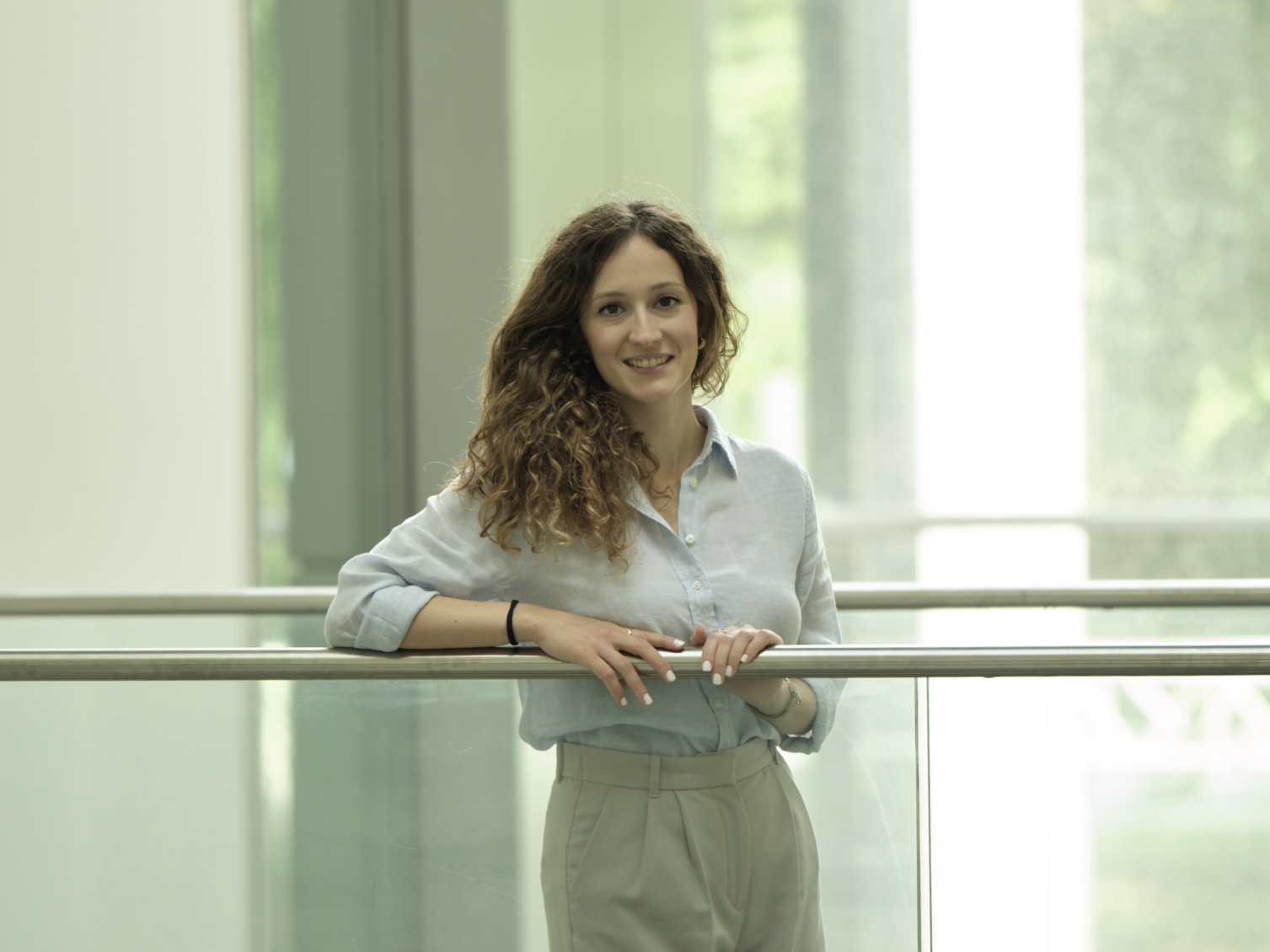
The science behind women's fertility: Dr Eirini Bellou, a scientist in chromosome and oocyte biology
Maria Kyriazi

Every year, on the last day of February (the 28th or 29th, chosen to symbolize rarity), landmarks around the world light up in stripes, colours, and hope to mark Rare Disease Day. Behind the campaigns and social-media hashtags are millions of people whose conditions are individually rare yet collectively common - patients who often spend years looking for a diagnosis, an effective treatment, or simply someone who believes them.
In medicine, students are taught: “When you hear hoofbeats, think horses, not zebras” -a maxim attributed to Dr. Theodore Woodward in the 1940s. It reminds clinicians to first consider common explanations (“horses”) before rare conditions (“zebras”). But for people living with rare diseases, the zebra is not a metaphor; it is their reality. Their symptoms do not follow textbook patterns, their diagnostic journeys are long, and their stories challenge scientists and clinicians to look beyond the obvious.
More than 7000 rare diseases have been identified worldwide, affecting over 300 million people globally. Approximately 70-80% have a genetic origin, and many begin in childhood. Patients often endure what is known as a diagnostic odyssey, waiting an average of four to six years for an accurate diagnosis and frequently receiving multiple misdiagnoses before the correct one. Despite major advances in genomics and precision medicine, only about 5-10% of rare diseases currently have an approved treatment. All these statistics highlight both the scale of the challenge and the urgent need for continued research and international collaboration.
Where science stands today: Rare diseases sit at the intersection of genomics, bioinformatics, clinical medicine, and ethics. Advances in next-generation sequencing have transformed our ability to identify the genetic causes of previously unexplained conditions. At the same time, researchers now have the tools to model rare diseases in the laboratory, allowing therapies to be tested in ways that were unimaginable only two decades ago.
This scientific momentum has led to collaborative initiatives worldwide. As a member of the Congenital Anomalies Cluster within the UK’s National Mouse Genetic Network, our team develops precisely engineered mouse models of rare conditions identified in patients. These models help scientists understand disease mechanisms and provide platforms for testing potential therapies. In this sense, rare diseases are not peripheral to science; they are often among the most informative windows into how genes function within complex biological systems.
In Greece, as in many countries with smaller populations, expertise in rare diseases is often dispersed across institutions and even across borders. European collaboration through shared registries, reference networks, and research consortia is therefore essential. By pooling knowledge, data, and resources, researchers and clinicians can accelerate diagnosis and improve access to specialized care for patients who might otherwise remain undiagnosed or unsupported.
Rare Disease Day is not only about awareness; it is about equity and visibility. It is a reminder that scientific discovery often begins by listening carefully to patients whose conditions do not fit the norm. Their experience frequently reveals gaps in knowledge and inspires new avenues of research.
Rare diseases remind us that science advances not only by studying what is common but also by paying attention to what is rare. For every “zebra” in the clinic, there is an opportunity to learn something fundamental about biology, genetics, and human resilience. As researchers and clinicians continue to push the boundaries of knowledge, Rare Disease Day becomes more than a date on the calendar; it becomes a call to ensure that no patient, no matter how rare their condition, is left behind.
Alone, we are rare. Together we are strong.
Sources:
Maria Kyriazi

Athina Metaxa
Athina Lisgara