Interviews
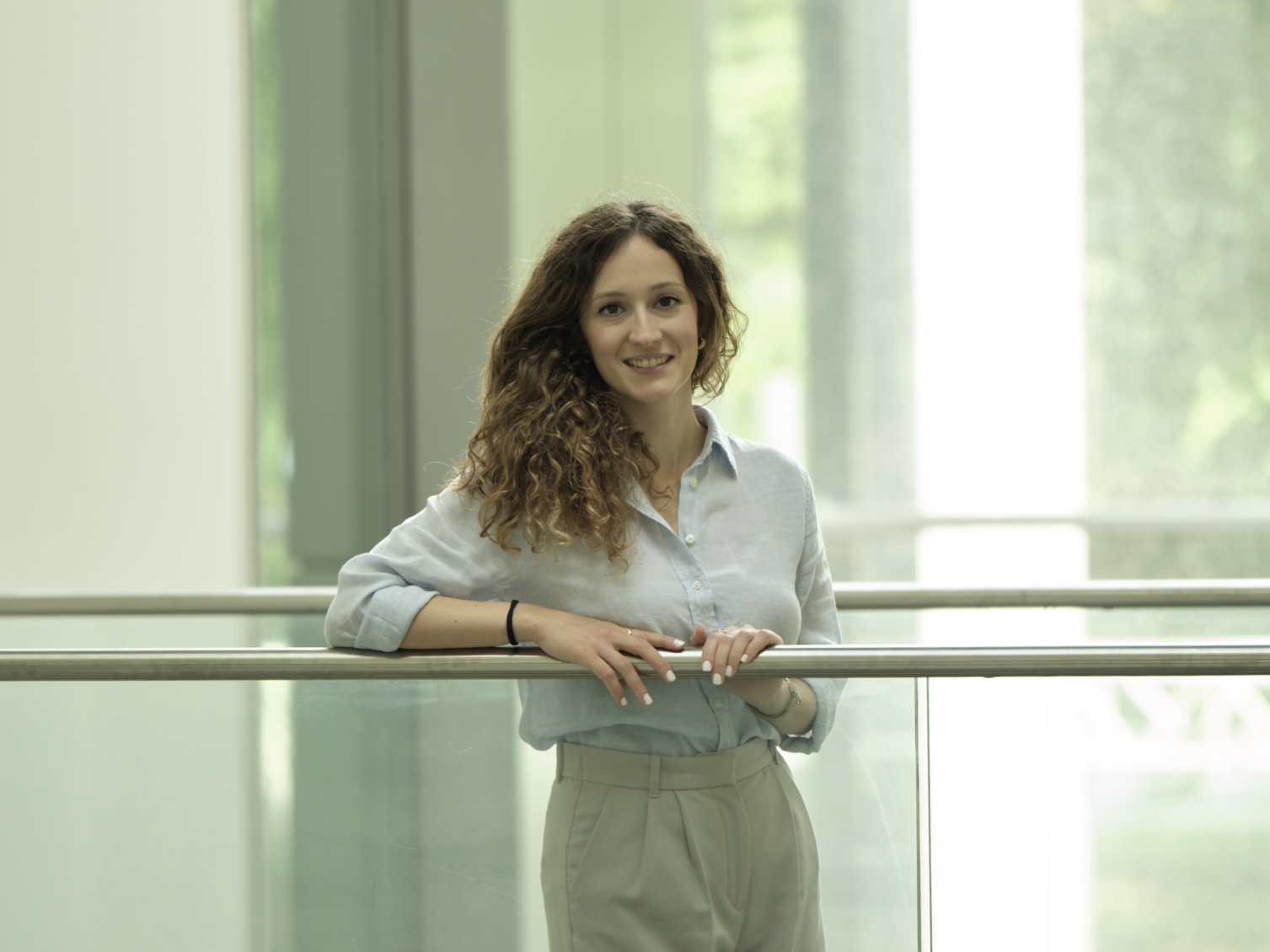
The science behind women's fertility: Dr Eirini Bellou, a scientist in chromosome and oocyte biology
Maria Kyriazi

Magazine / Interviews , Insights
We often neglect the day-to-day accomplishments, yet in a year these Greek Women in STEM achieved so much! Georgia earned her PhD, Sofia completed a prestigious project and published its results, Andria earned a Marie Skłodowska-Curie award for her research, Eugenia started her own chemistry lab, Anthi helped design a Moto3 racing motorcycle, and Thalia started her postdoc in astrophysics!
Technology
Georgia Gkioka, PhD
Georgia is a Software & AI Engineer and Senior Researcher at ICCS of the National Technical University of Athens. She was a finalist of the SheSTEMs Awards 2024 in the category Technology. When asked, she told us that “What I still hold with me is the experience of the SheSTEMs conference itself: meeting so many brilliant, generous women, exchanging ideas and feeling the support from a lively community.” After almost five years of persistence, trial and error, and (a lot of!) learning, she reached one of her biggest accomplishments: she earned her PhD!
Georgia’s research focused on the use of Machine and Deep Learning for automatic incident detection in smart transportation systems, embedding the human-in-the-loop paradigm. ExtremeXP, an EU-funded project in which she served as a co-investigator, concluded this February. Her research there included the design and implementation of a novel framework for documentation and knowledge management of AI experimentation. This “Experiment Cards” framework aims to document key decisions, rationale, and results, so that teams can leverage knowledge, reproduce experiments, and build more trustworthy AI. She presented this work at the very engaging ICTAI 2025 Conference. Looking ahead, the future looks exciting! Now, as she starts her work in CIPHER, a new DIGITAL Europe project, she will be extending this approach into the cybersecurity context and further enriching it. Last but not least, a highlight and one of the most meaningful steps she has made is becoming a mentor for Greek Women in STEM. For Georgia, “it is profoundly fulfilling to be able to give back to the community and help younger people explore opportunities, novel pathways and, above all, themselves”.
Mathematics
Sofia Tsaloumi, PhD
Sofia works as a postdoctoral researcher focusing on the development of mathematical models to predict microbial behavior, with expertise in risk assessment for food safety, food quality, and environmental protection. She has participated in research projects related to food and public health, leading to scientific publications and presentations at both national and international conferences. At the same time, she teaches two undergraduate courses at the Department of Nutritional Science and Dietetics of the University of the Peloponnese, to enrich her academic teaching. Recently, she completed a research project that resulted in a peer-reviewed scientific publication addressing environmental and ecotoxicological parameters that differentiate plant protection products, as well as the publication of the full study by the European Food Safety Authority (EFSA). This project focused on a new risk assessment method for low-concern active substances awaiting approval by EFSA. Faster, scientifically robust assessment of low-concern substances can support the transition toward more sustainable practices and reduce reliance on substances with higher negative environmental and public health impact. For Sofia, this work is meaningful because it contributes to a system in which science does not remain confined to the laboratory but is transformed into a tool for positive change with tangible societal and environmental impact.
Computer Science
Andria Nicolaou, PhD
Andria is a Postdoctoral Researcher at the University of Cyprus and an Associate Lecturer at the University of Central Lancashire (UCLan), Cyprus. She holds a PhD in Computer Science from the University of Cyprus, an MSc in Molecular and Applied Physiology from the National and Kapodistrian University of Athens, and a BSc in Computer Engineering with a minor in Biomedical Engineering from the University of Cyprus. Among her recent distinctions, she was awarded the Seal of Excellence under the Marie Skłodowska-Curie Actions (MSCA) Postdoctoral Fellowships 2025, one of the most competitive research programs of the European Commission. Her proposal was rated outstanding by international experts, ranking it among the top proposals in Europe. This recognition highlights the scientific excellence, innovation, and international impact of her work, affirming her status as a dynamic and highly competitive researcher within the European research community. Her research focuses on the development of reliable and explainable artificial intelligence systems, aimed at supporting healthcare professionals in complex clinical decision-making and consequently, improving patients’ quality of life. She believes that her interdisciplinary expertise is a key asset in making a difference in the healthcare system.
Physics
Thalia Traianou, PhD
Since receiving the Greek Women in STEM - She STEMs Award 2024, Thalia continued her work in high-energy astrophysics, focusing on supermassive black holes and relativistic jets. In 2025, she joined the Interdisciplinary Center for Scientific Computing (IWR) at Heidelberg University as a postdoctoral researcher, while remaining an active member of the Event Horizon Telescope (EHT) Collaboration. Over the past year, she contributed to new publications and international presentations on the dynamics and magnetic structure of jets in active galactic nuclei, as well as their connection to high-energy and multi-messenger emission. In recognition of this work, Thalia was awarded the EHT Early Career Award 2025 for her contributions to jet physics.
Alongside her research, Thalia took on leadership and coordination roles within the EHT, serving as AGN Working Group Coordinator and European Outreach Coordinator. The project she is currently involved in is of high importance to her as it combines fundamental questions about the Universe with large-scale collaborations. More broadly, it contributes to society by making cutting-edge science accessible and by advancing our understanding of extreme physical processes that shape the cosmos.
Chemistry
Eugenia S. Vasileiadou, PhD
Eugenia is an Assistant Professor of Inorganic Chemistry, and building the Vasileiadou lab is one of her very recent accomplishments! It is both exciting and demanding to find the appropriate instruments, mentor her students, and work together to investigate solutions for how we can make new materials that would be utilized in renewable energy sources. Everything around us consists of various chemical elements. (Inorganic) Materials Chemistry develops the materials of today and tomorrow. Specifically, Eugenia works in the field of materials chemistry with applications for renewable energy sources. Respect for the environment is very important to her, as is finding ways to harness natural energy sources without harming the environment. Eugenia’s research investigates which combinations of chemical elements in the Periodic Table can create new chemical compounds that can be synthesized experimentally in the laboratory. These chemical compounds are the foundation for developing materials with more efficient properties, while also being more cost-effective than current materials used in renewable energy sources. In other words, she focuses on how we can create new materials for photovoltaics and batteries that are cheaper to produce and use more abundant chemical elements.
Geology
Anthi Paschalidou, MSc
Anthi is a geologist and environmental scientist whose work bridges geoscience, applied research, and social resilience. A Department of Geology graduate, she also holds an MSc in Environmental Protection and Sustainable Development from the School of Civil Engineering. She has been involved in both research and applied initiatives, such as a collaboration with the Institute of Soil and Water Resources of ELGO–DIMITRA, contributing to the development of a Geographic Information Systems (GIS) platform to address Peste des Petits Ruminants. Last year, Anthi co-authored a scientific article in the international academic journal The Anatomical Record and participated in the 1st Summer School at the Vikos–Aoos UNESCO Global Geopark in Konitsa, where she deepened her understanding of geological heritage and its protection. She was also an active member of the university racing team Panther Racing AUTh, contributing to the design of a Moto3 racing motorcycle while leading strategic communication and partnership development. Anthi participated in the Erasmus+ EO4Edu program, focusing on the application of remote sensing and geospatial science in STEM/STEAM education. Today, Anthi is engaged in experiential environmental education and climate action, driven by the belief that science gains meaningful value when it connects with society.
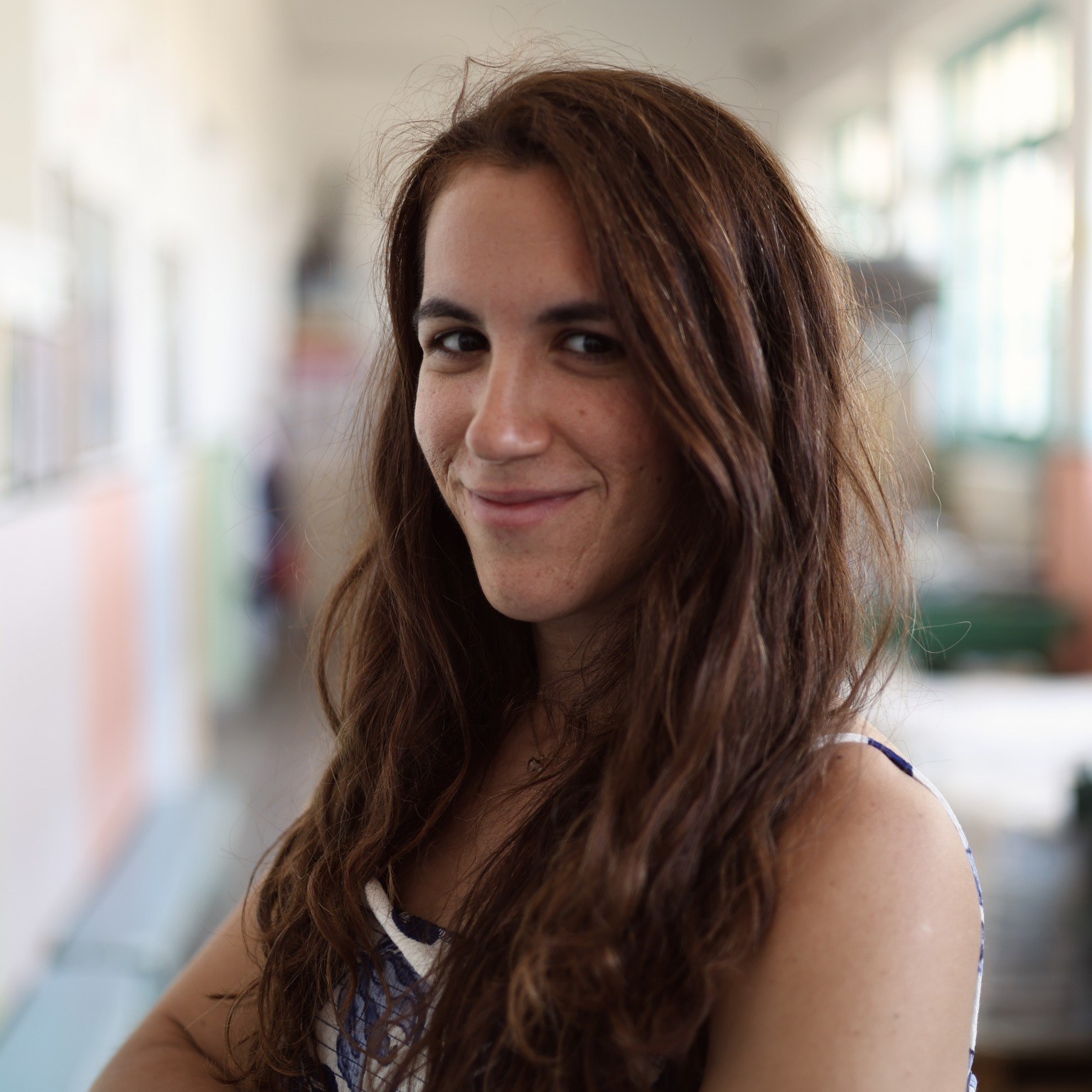
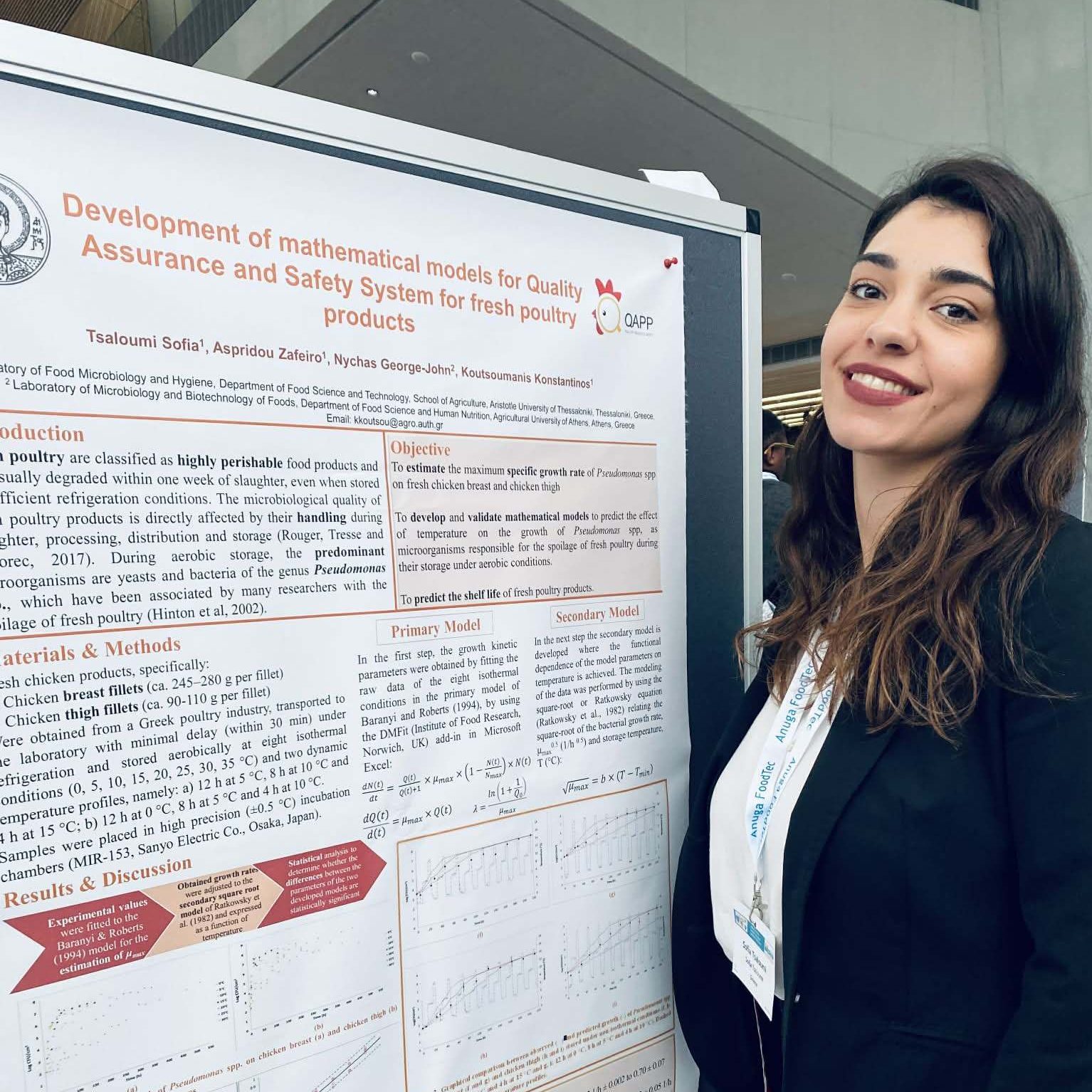
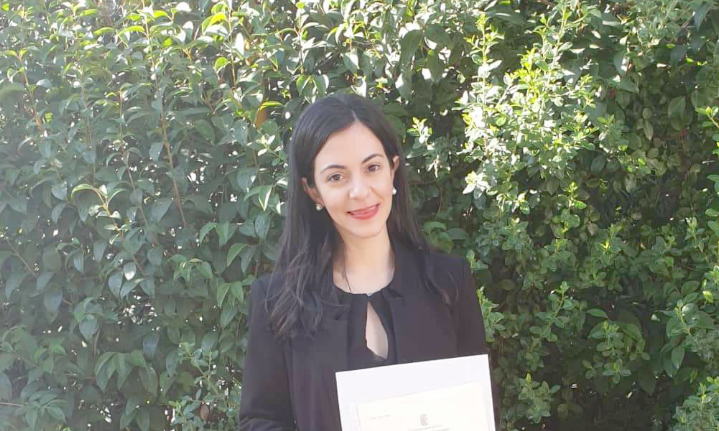
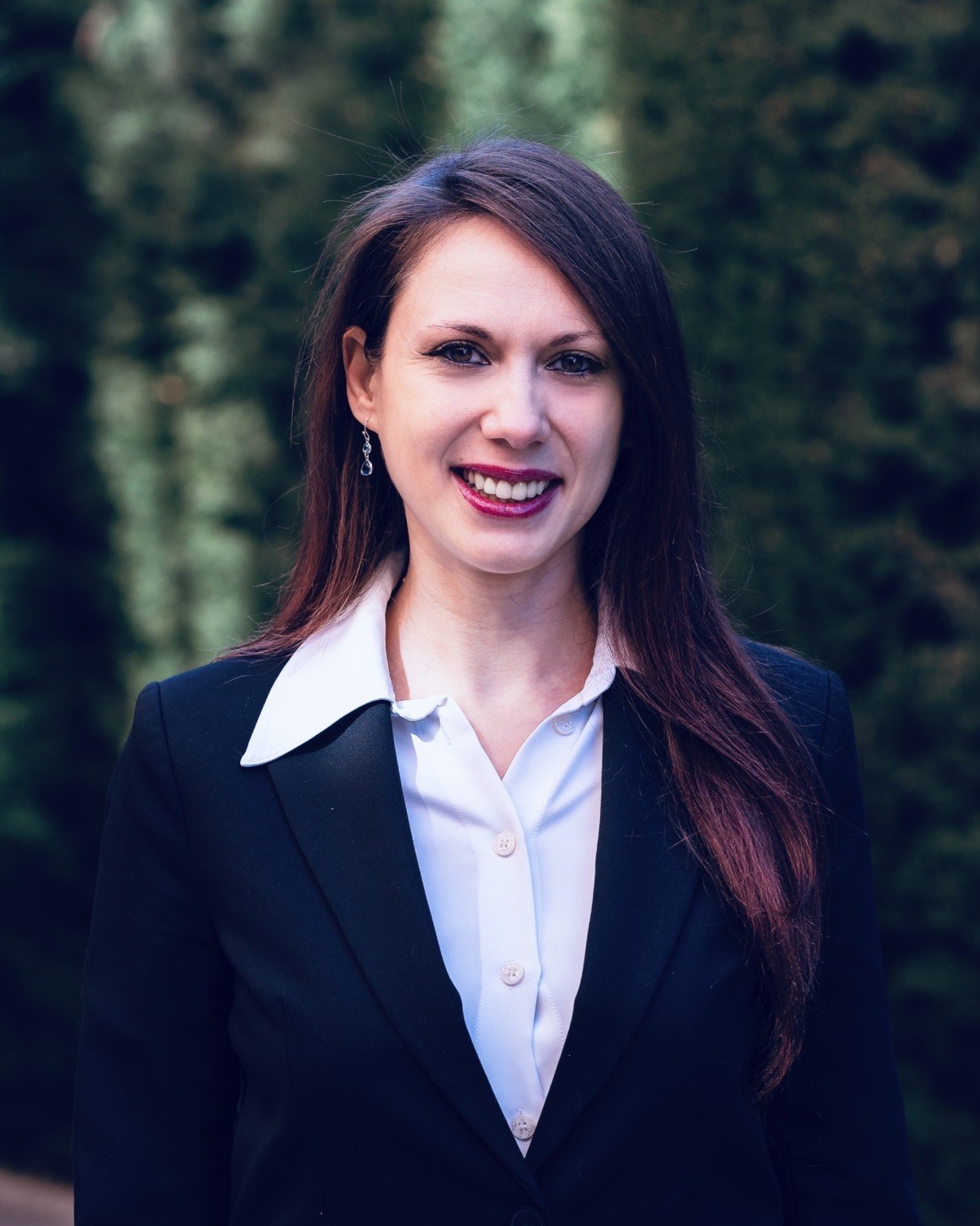
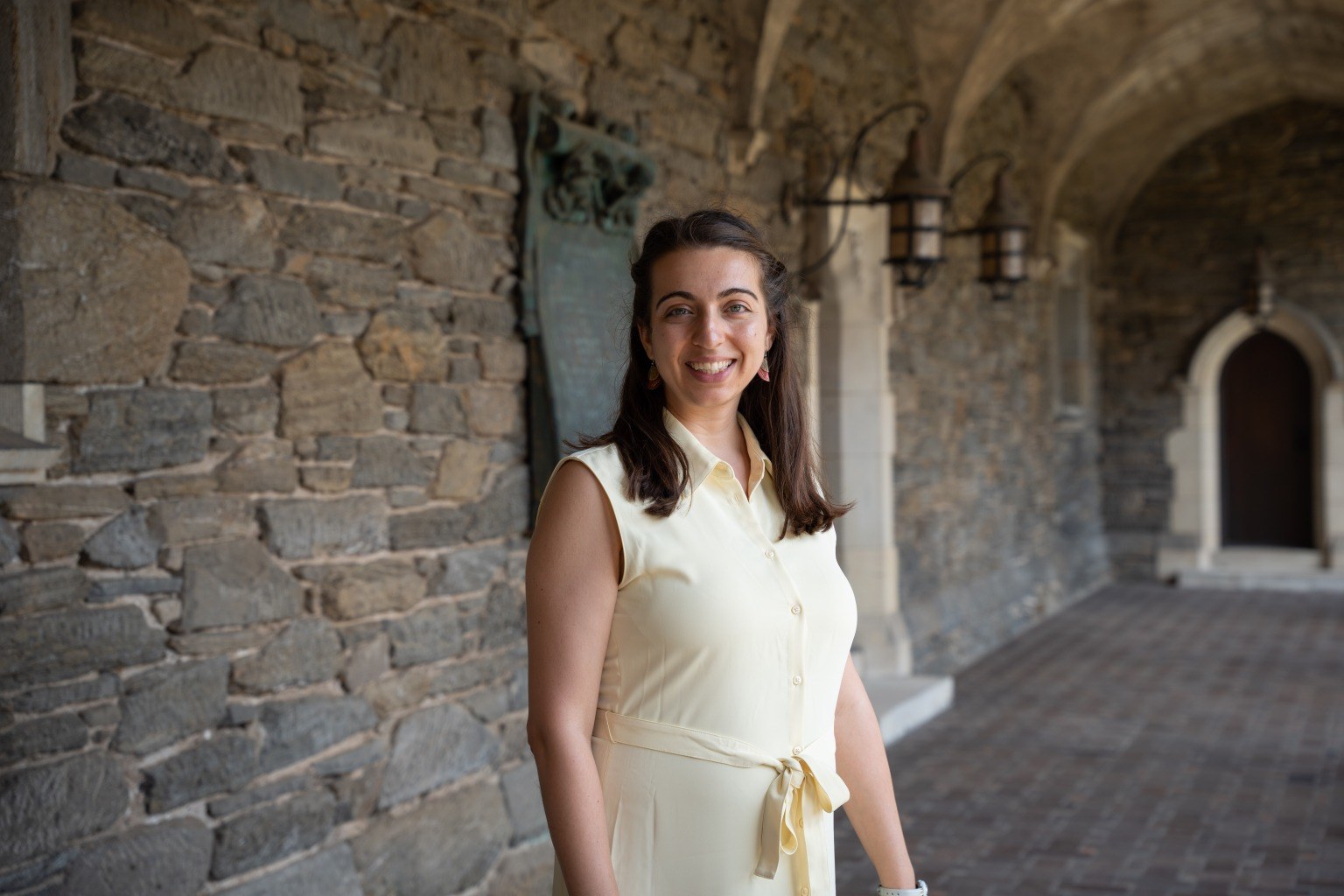
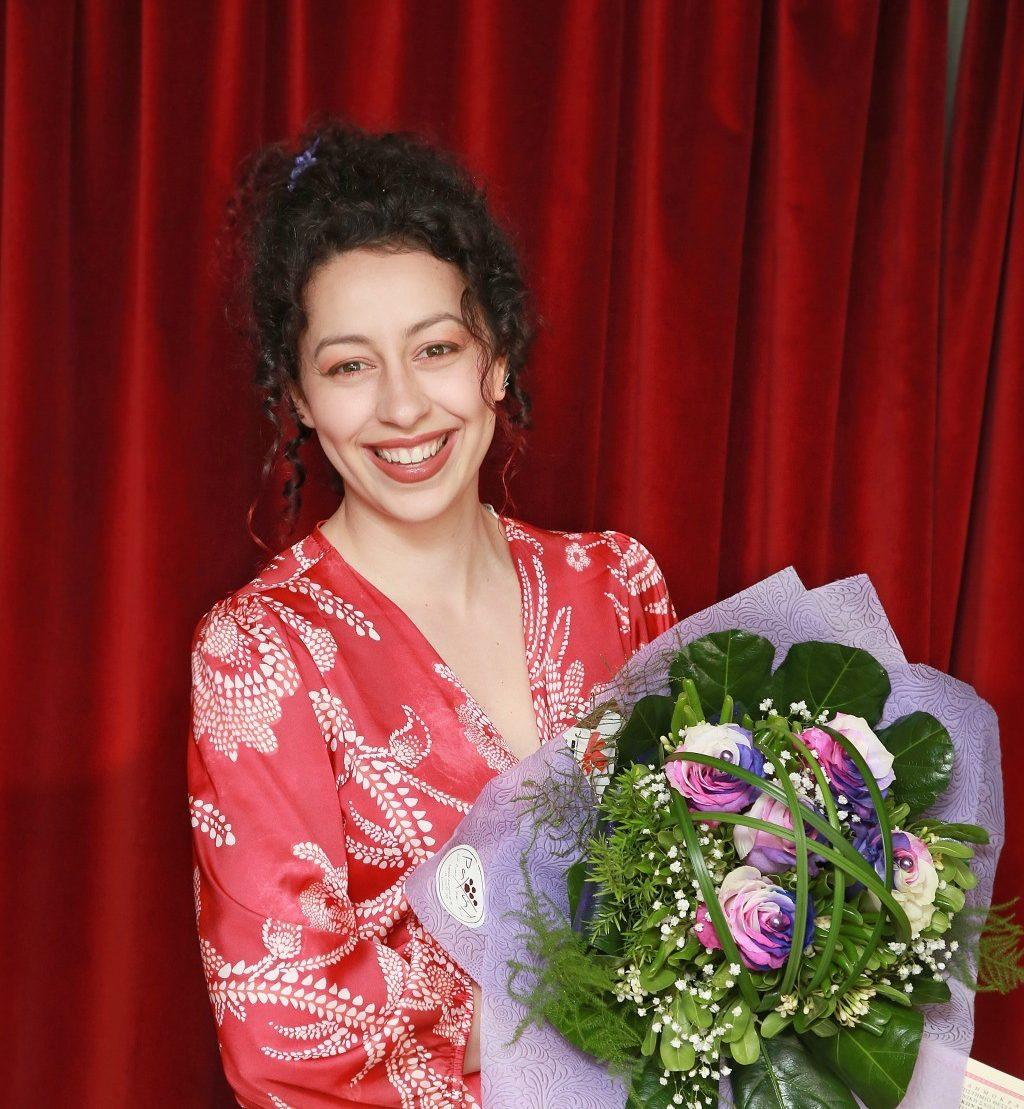
In order of appearance: Georgia Gkioka, Sofia Tsaloumi, Andria Nicolaou, Thalia Traianou, Evgenia Vasileiadou, Anthi Paschalidou
Maria Kyriazi
Thaleia-Dimitra Doudali

Aglaia (Lina) Ntokou
Dorothea Maneta