Interviews
The science behind women's fertility: Dr Eirini Bellou, a scientist in chromosome and oocyte biology
Maria Kyriazi
Depression affects an estimated 300 million people worldwide and remains a leading cause of disability [1]. Although conventional antidepressants are widely prescribed, they often take weeks to produce therapeutic effects, show limited efficacy in many patients, and can cause side effects that reduce adherence [2]. Relapse rates also remain high, with up to 60% of patients experiencing recurrent episodes [3].
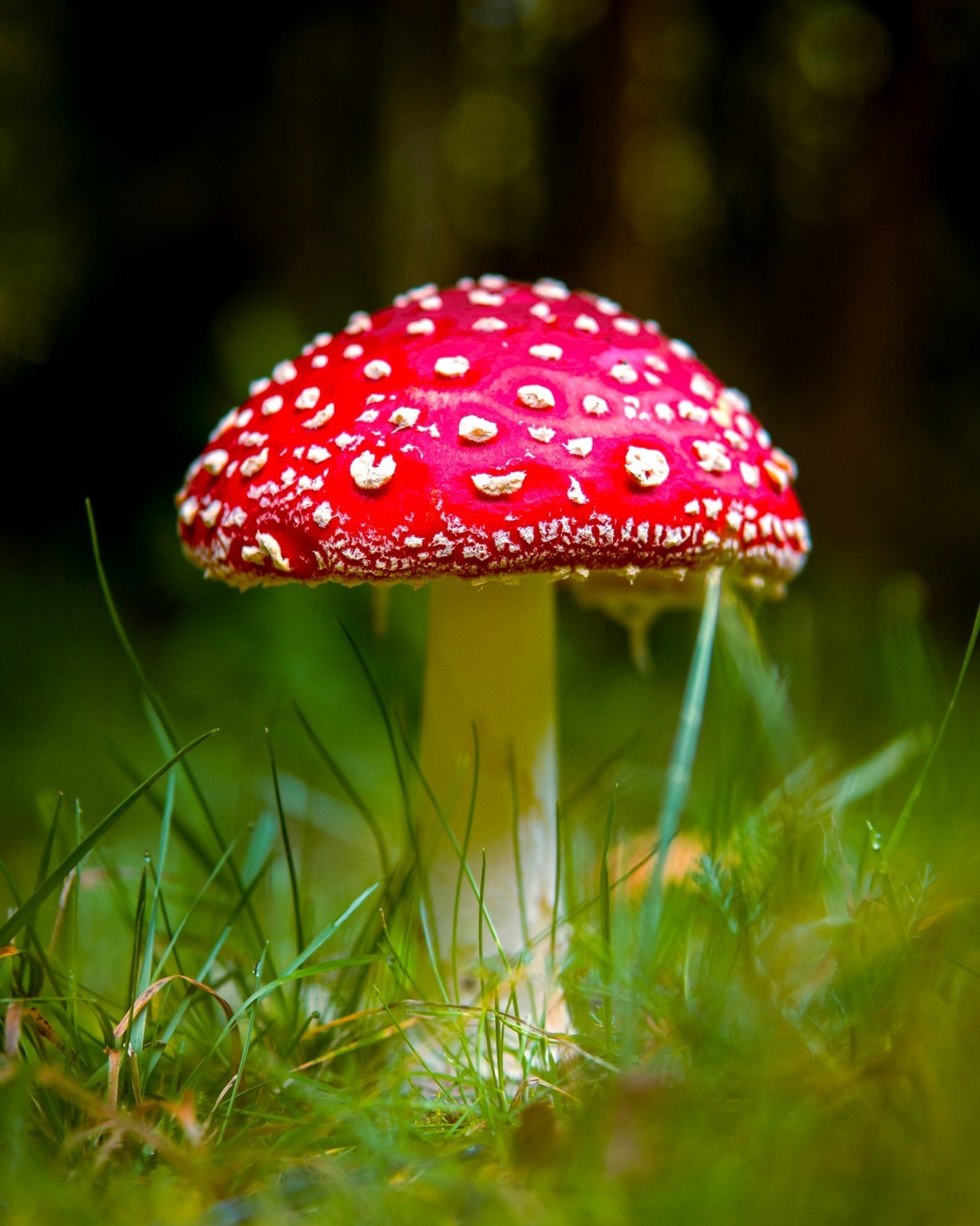
Against this backdrop, psilocybin, a naturally occurring hallucinogen found in certain mushroom species, has gained attention as a promising potential treatment for depression [4]. Unlike selective serotonin reuptake inhibitors (SSRIs), psilocybin appears to act more rapidly, with some studies reporting improvements within hours or days after just one or two doses. Research also suggests the compound has low addictive potential and can be administered safely under clinical supervision.
A new systematic review and meta-analysis, led by our team at the University of Oxford, and published in the British Medical Journal (BMJ), assessed nine randomized trials involving 436 participants with clinically significant depression [5]. The findings were encouraging, as psilocybin was associated with a moderate-to-large reduction in depression scores compared with placebo, and patients were nearly three times as likely to achieve remission. The reported adverse events were generally mild and short-lived, including headache, mild anxiety, and temporary increases in blood pressure. Importantly, our research found no evidence of serious harm, withdrawal symptoms, or addictive potential.
These results suggest that psilocybin holds considerable promise for improving outcomes in depression. For patients who have not found relief with traditional antidepressants, psilocybin could be a game-changer. The data also indicate that psilocybin may be particularly effective in certain patient groups. For example, individuals with secondary depression or those with prior positive experiences using psychedelics appeared to respond more favorably, pointing toward the potential for more personalized approaches in mental health care.
However, several important limitations must be considered. Many of the included studies had small sample sizes, limited demographic diversity, and relied on self-reported outcomes, which may be influenced by patient expectations. One of the biggest methodological challenges in psychedelic research is blinding, since patients can usually tell whether they have received psilocybin or placebo, leading to inflated expectations about the drug’s effectiveness that could influence treatment outcomes. Until more robust methods are developed to address this issue, findings should be interpreted with caution.
Practical barriers may also hinder widespread clinical implementation. In trials, psilocybin is administered in highly controlled settings, often involving specially designed environments, calming music, eye masks, and continuous therapist supervision [6]. Replicating these resource-intensive protocols in routine healthcare settings could prove challenging. In addition, the absence of established regulatory frameworks, standardized training, and safeguards against misuse raises further uncertainty around large-scale adoption. Whether psychedelic medicines could become part of mainstream psychiatry remains to be seen, but the fact that large pharmaceutical companies, including Johnson & Johnson and AbbVie [7], are investing in psychedelics suggests growing commercial and clinical interest in treatments once considered taboo.
Looking ahead, larger, more diverse trials are needed, particularly those involving patients already taking standard antidepressants. Future studies should also directly compare psilocybin with SSRIs/SNRIs and explore how expectancy effects shape outcomes. More broadly, the next step for psychiatric research is to investigate the effectiveness of more novel treatments for depression and the factors that moderate their effectiveness. This work will hopefully help create a ‘map’ to guide researchers in identifying good candidate drugs for clinical development.
While psilocybin cannot yet be considered a mainstream treatment, current evidence suggests it represents a promising new avenue for addressing depression - provided its delivery can be made safe, accessible, and scalable.
References
1. World Health Organization. Depressive Disorder (Depression); 2023.
https://www.who.int/news-room/fact-sheets/detail/depression.
2. Cipriani, A., Furukawa, T. A., Salanti, G., Chaimani, A., Atkinson, L. Z., Ogawa, Y., ... & Geddes, J. R. (2018). Comparative efficacy and acceptability of 21 antidepressant drugs for the acute treatment of adults with major depressive disorder: a systematic review and network meta-analysis. The Lancet, 391(10128), 1357-1366.
3. Bockting, C. L., Hollon, S. D., Jarrett, R. B., Kuyken, W., & Dobson, K. (2015). A lifetime approach to major depressive disorder: the contributions of psychological interventions in preventing relapse and recurrence. Clinical psychology review, 41, 16-26.
4. Ling, S., Ceban, F., Lui, L. M., Lee, Y., Teopiz, K. M., Rodrigues, N. B., ... & McIntyre, R. S. (2022). Molecular mechanisms of psilocybin and implications for the treatment of depression. CNS drugs, 36(1), 17-30.
5. Metaxa, A. M., & Clarke, M. (2024). Efficacy of psilocybin for treating symptoms of depression: systematic review and meta-analysis. BMJ, 385.
6. Pearson, C., Siegel, J., & Gold, J. A. (2022). Psilocybin-assisted psychotherapy for depression: Emerging research on a psychedelic compound with a rich history. Journal of the Neurological Sciences, 434, 120096.
7. Vekhova, K. A., Namiot, E. D., Jonsson, J., & Schiöth, H. B. (2025). Ketamine and Esketamine in Clinical Trials: FDA‐Approved and Emerging Indications, Trial Trends With Putative Mechanistic Explanations. Clinical Pharmacology & Therapeutics, 117(2), 374-386.
Maria Kyriazi

Marina Arbi
Athina Lisgara